
Izmir Neurology Specialist – Specialist Dr. Şule Koçyiğit
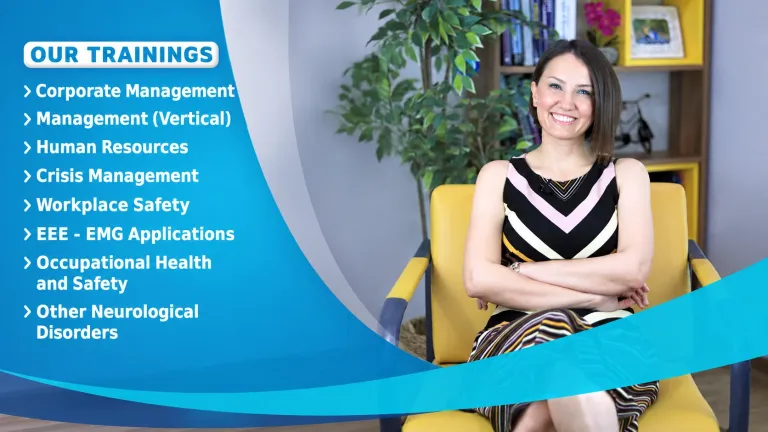
Areas of expertise
Neurological evaluation and follow-up in İzmir
Neurology deals with the evaluation of diseases related to the brain, spinal cord, peripheral nerves, and muscles. Parkinson’s disease and other movement disorders, migraines and headaches, vertigo, epilepsy, stroke, dementia, multiple sclerosis, and peripheral nerve and muscle diseases are among the main topics covered in this field.
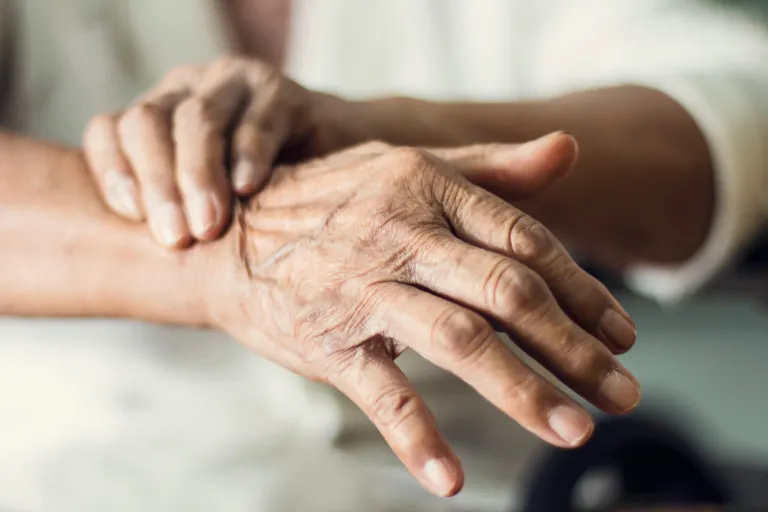
Parkinson's Disease
Parkinson's disease symptoms, Hoehn and Yahr stages, diagnosis, medication and when DBS is considered. Parkinson's follow-up in Izmir, Turkey.
Read more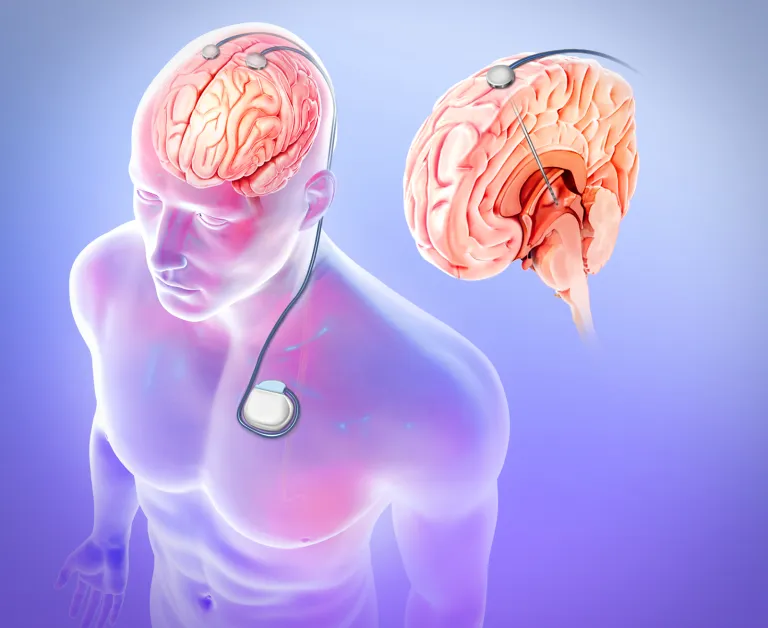
Brain Pacemaker (DBS) Programming
Deep brain stimulation (DBS) in Parkinson's: who may be a candidate, neurological follow-up after surgery and DBS programming in Izmir, Turkey.
Read more
03 · Neurological Investigations
EEG (Electroencephalography)
What is an EEG, when is it requested, how is it recorded and how should you prepare? EEG in epilepsy and seizures, and EEG assessment in Izmir, Turkey.
Read more
04 · Neurological Diseases
Dementia and Alzheimer's
Symptoms of dementia and Alzheimer's disease, when forgetfulness matters, cognitive tests and imaging, treatment and follow-up in Izmir, Turkey.
Read more
05 · Pain Treatments
Migraine
Migraine symptoms, migraine with aura, common triggers, diagnosis, acute and preventive treatment options. Migraine assessment in Izmir, Turkey.
Read more
06 · Neurological Diseases
Epilepsy
What is epilepsy, what causes seizures, how are EEG and MRI used in diagnosis and what are the treatment options? Epilepsy assessment in Izmir, Turkey.
Read more
07 · Neurological Investigations
EMG (Electromyography)
What are EMG and nerve conduction studies, when are they requested and what do they show? EMG in numbness and weakness; neurological assessment in Izmir.
Read more
All topics
Information Articles
22 articles · Movement Disorders & Brain Pacemaker, neurological diseases, pain treatments
See all
Parkinson's & DBS follow-up
Neurological Follow-up in Parkinson's and Movement Disorders
Assessment of Parkinson’s disease is not limited to examining tremors or slowness of movement. Response to medication, changes in daily on and off periods, involuntary movements, walking and balance problems, and non-motor symptoms are all evaluated together.
In selected patients with significant motor fluctuations despite drug therapy, advanced treatment options such as deep brain stimulation (DBS, brain pacemaker) may be considered. Brain pacemaker surgery is performed by neurosurgeons; neurological evaluation is crucial for appropriate patient selection, postoperative clinical follow-up, medication management, and the programming/adjustment process of the device.
Detailed neurological assessment
Symptoms, response to medication, on-off periods, gait and balance and non-motor symptoms are assessed together.
Individual medication plan
Doses and timing of medication are re-planned throughout the course of the disease.
Advanced treatment assessment
In selected patients with marked motor fluctuations, DBS suitability is assessed together with neurosurgery.
Brain pacemaker programming
After surgery, stimulation settings are adjusted gradually according to symptoms and possible side effects.
Regular follow-up
Device settings, medication, battery status and daily-life needs are reviewed at follow-up visits.
About me
Full biography
Uzm. Dr. Şule Koçyiğit
Dr. Şule Koçyiğit completed her neurology specialization training at İzmir Tepecik Training and Research Hospital. In her neurology work in İzmir, Parkinson’s disease, movement disorders and tremor hold an important place.
In Parkinson’s disease, the management of drug therapy, the evaluation of further treatment options, and neurological monitoring and device programming/adjustment processes in patients who have undergone deep brain stimulation (DBS) implantation are among her fields of study.
General neurology encompasses the evaluation of various neurological conditions such as headaches and migraines, dizziness, epilepsy, dementia, and peripheral nerve and muscle disorders.
Dokuz Eylül UniversityFaculty of Medicine, 2008
Tepecik HospitalNeurology specialization, 2009–2014
Parkinson's & movement disordersSpecial-branch clinic experience
4 scientific societiesTurkish Neurological Society and others
Information articles
See all
Guides written by the physician
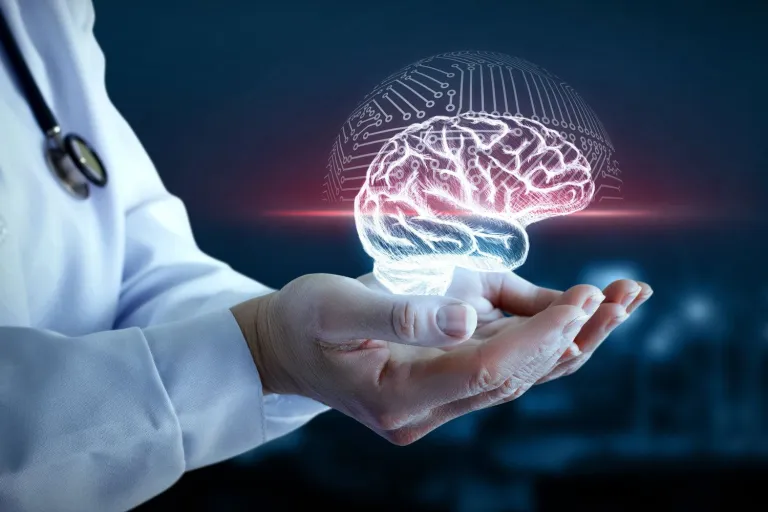
Neurological Examination: How Is It Done, What Is Assessed?
How a neurological examination is done: history, cognition, cranial nerves, strength, sensation, reflexes, balance and gait. Neurological exam in Izmir.
Read more
Headache: Causes, Alarm Symptoms and Treatment
Types of headache, alarm symptoms needing urgent care, migraine versus tension-type headache, diagnosis and treatment. Headache assessment in Izmir.
Read more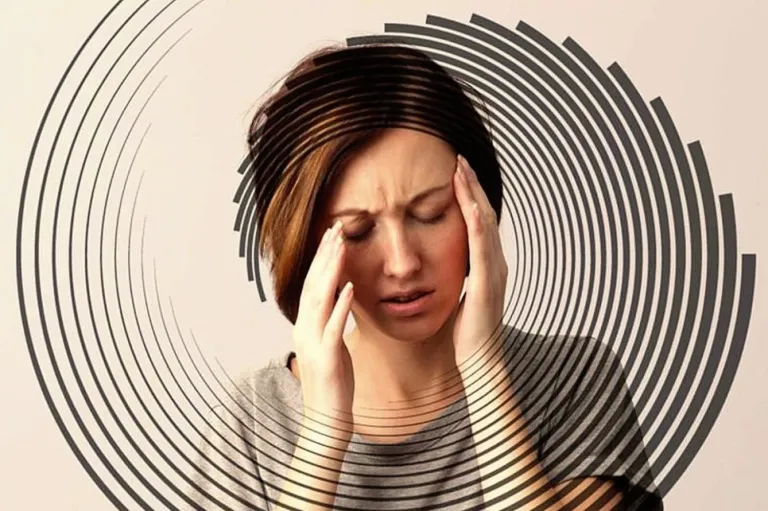
Dizziness (Vertigo): Causes, Symptoms and Assessment
Causes of vertigo and dizziness: BPPV, vestibular neuritis, Meniere's disease and neurological causes; warning signs and treatment. Vertigo care in Izmir.
Read more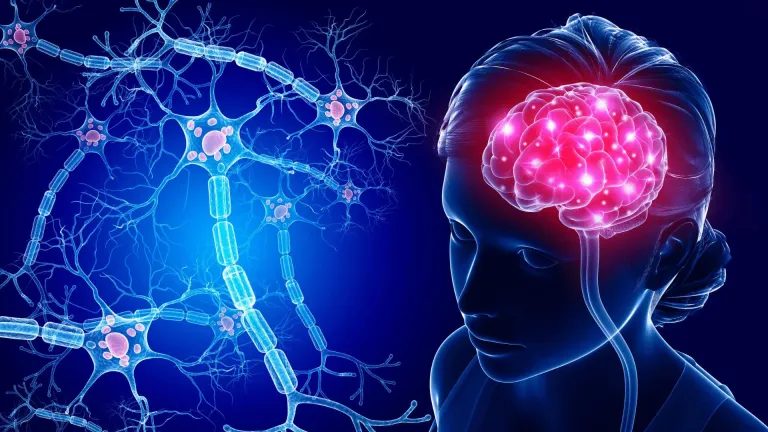
Multiple Sclerosis (MS): Symptoms, Diagnosis and Treatment
What is multiple sclerosis (MS)? Symptoms, diagnosis with MRI and neurological examination, MS attacks, treatments and long-term MS follow-up in Izmir.
Read more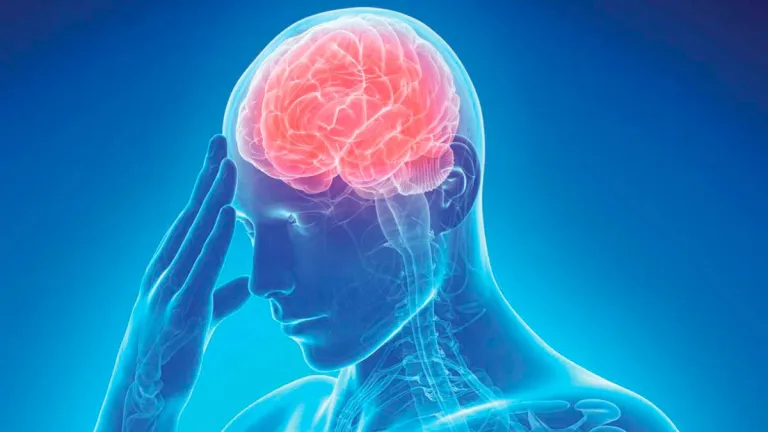
Stroke: Symptoms, Emergency Treatment and Neurological Follow-up
Stroke symptoms, why time is critical, CT and MRI in diagnosis, emergency treatment, neurological follow-up and rehabilitation. Post-stroke care in Izmir.
Read more
Sleep Disorders: Insomnia, Excessive Sleepiness and Sleep Apnea
Insomnia, excessive daytime sleepiness, sleep apnea, restless legs and narcolepsy: causes of sleep disorders and their neurological assessment in Izmir.
Read moreBlog
All blog posts
Blog: common patient questions
Parkinson's
Which Doctor Should You See for Parkinson's in Izmir, Turkey?
For suspected Parkinson's disease, the specialist to see is a neurologist. The neurologist makes the diagnosis and manages medication over the years; neurosurgery is involved only if brain pacemaker (DBS) surgery is needed, and physiotherapy supports movement and balance.
· 2 min read
DBS
DBS Programming in Izmir: The First Months After Surgery
The first months after brain pacemaker (DBS) surgery are the period of switching the device on and finding the right settings. Several programming sessions are usually needed, Parkinson's medication is adjusted step by step, and the best balance is typically reached gradually.
· 2 min read
Parkinson's
Parkinson's Appointment in Izmir: What to Bring
Bring a list of all your medicines with doses and times (with generic names if you live abroad), a short note of when each dose starts and stops working, videos of your symptoms, previous reports and, if possible, a family member who knows you well.
· 2 min read
Videos
All videos
Short informative videos
Videos are in Turkish.
Adaptif Derin Beyin Stimülasyonu
Adaptif DBS, Klasik DBS'den daha mı iyi?
El uyuşmalarını ciddiye almalı mıyız?
Health tourism
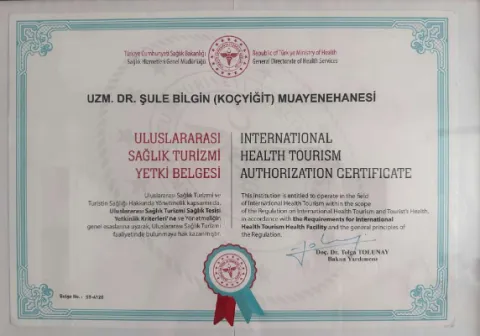
International Health Tourism Authorization
The clinic provides neurology services to international patients under the authorization certificate issued by the Republic of Turkey Ministry of Health and is listed on HealthTürkiye.

Frequently asked questions
Questions patients ask
In sudden weakness, speech disturbance, change in consciousness or a very severe headache, do not wait for an appointment; call 112 (Turkey emergency).
Which complaints should be assessed by a neurologist?
Headache and migraine, dizziness, tremor, slowness of movement, forgetfulness, seizures, numbness, weakness, and balance or gait problems may require a neurological assessment. In sudden weakness, speech disturbance or a change in consciousness, do not wait for an appointment; seek emergency care.
I have a brain pacemaker (DBS). Can I come for programming and follow-up?
Neurological follow-up, medication adjustment and device programming in patients with deep brain stimulation are among the fields of work of Specialist Dr. Şule Koçyiğit. Please bring your device card, surgery information and, if available, your latest programming records.
What should I bring to my appointment?
An up-to-date medication list, previous MRI/CT images and reports, EEG or EMG results and earlier medical reports make the assessment easier. For memory complaints, it can help if a relative attends the appointment.
Where is the clinic and how can I book an appointment?
The clinic is at Lider Centrio in Bayraklı: Mansuroğlu, 1593/1. Sk. No:2 A Blok K:8 D:88, 35535 Bayraklı/İzmir, Turkey. You can call +90 530 744 04 71, send a WhatsApp message or use the contact form.
Do you accept international patients?
Yes. The clinic provides neurology services to international patients under the International Health Tourism Authorization Certificate issued by the Republic of Turkey Ministry of Health, with English communication support.
Contact
Appointments and contact
Reach us by phone, WhatsApp or the form.
AddressMansuroğlu, 1593/1. Sk. No:2 A Blok K:8 D:88, 35535 Bayraklı/İzmirLider Centrio · Directions on Google Maps
Phone+90 530 744 04 71Call us
WhatsApp+90 530 744 04 71Message on WhatsApp
Opening hoursBy appointmentConsultations are by appointment.
Lider Centrio · Bayraklı
The map loads from Google Maps when you click. Directions on Google Maps · View on Google Maps
Last updated: September 5, 2026. The health content on this site is for general informational purposes only and does not constitute personal diagnosis or treatment advice.