
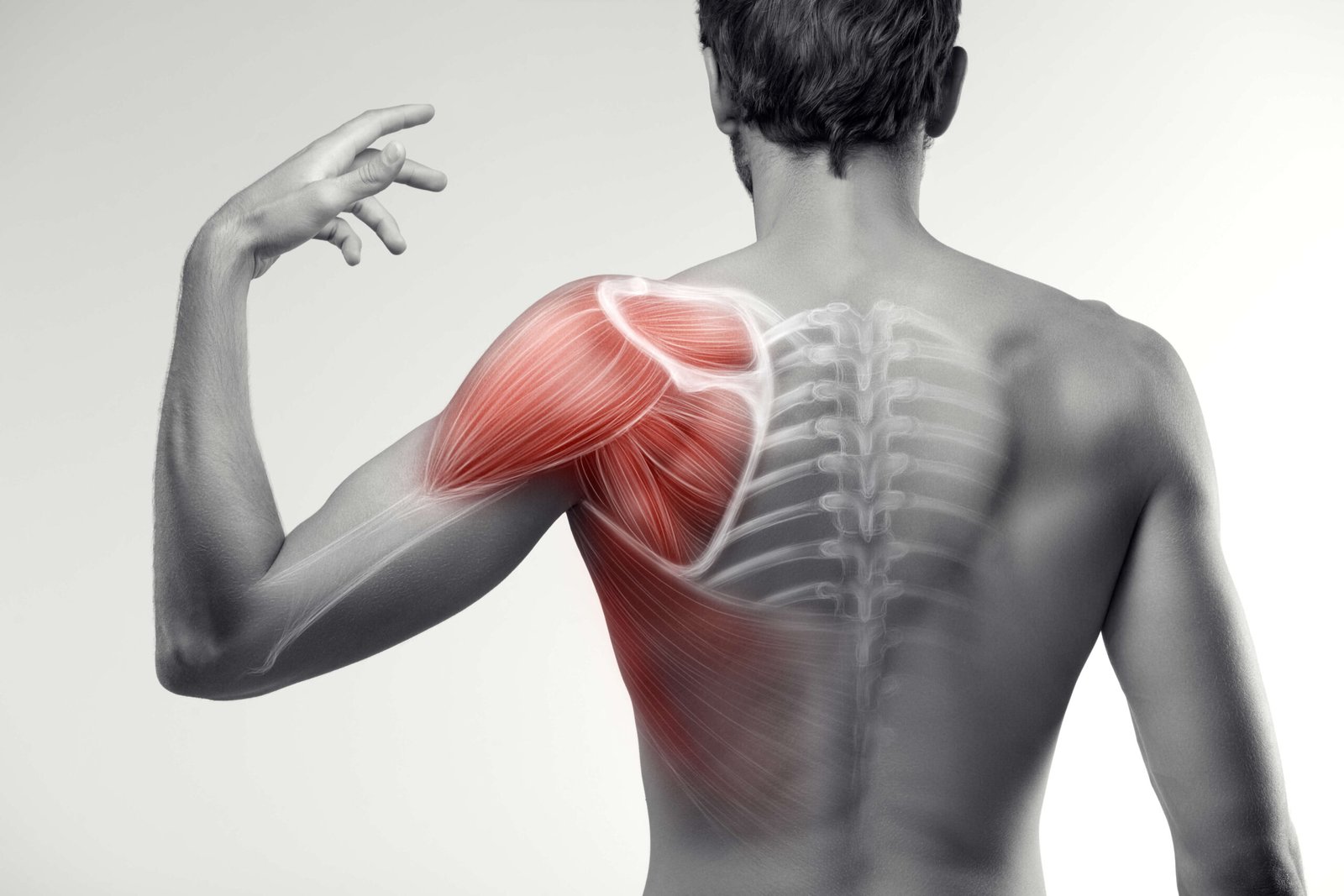
What Are Muscle Diseases (Myopathy)?
Muscle diseases cover very different groups of diseases that affect the structure or function of muscle fibers. “Myopathy” is a general term; not every muscle disease is hereditary, and not every muscle weakness means a muscle disease. Nerve diseases, neuromuscular junction diseases, and metabolic and hormonal disorders can also cause similar complaints.
Symptoms of Muscle Diseases
- Muscle weakness, particularly around the shoulders and hips
- Difficulty climbing stairs, squatting and standing up, or raising the arms upward
- Muscle pain or cramps
- Thinning of the muscles or, in some diseases, marked enlargement
- In some diseases, drooping of the eyelid, weakness in the facial muscles or difficulty swallowing
- In certain diseases, involvement of the heart or respiratory muscles
Causes of Muscle Diseases
Muscle diseases are examined in different groups such as genetic muscular dystrophies, inflammatory myopathies, metabolic or mitochondrial diseases, myopathies due to medications or toxins, and hormonal-metabolic causes. The age of onset and the course of the disease can differ greatly according to the cause.
How Are Muscle Diseases Assessed?
The diagnosis is based on a detailed disease and family history and neurological examination. Blood tests, primarily muscle enzymes, electromyography (EMG), genetic investigations and, when necessary, muscle MRI or muscle biopsy can be used. Not all tests need to be done in every patient; the investigations are selected according to the clinical findings.
Information about EMG (Electromyography)
Treatment in Muscle Diseases
Treatment varies according to the type of the underlying disease. In some inflammatory, metabolic or endocrine myopathies, treatment aimed at the cause may be possible. In hereditary muscle diseases, disease-specific treatment options are assessed according to the genetic diagnosis and the type of disease.
Physical therapy and rehabilitation can be important in terms of maintaining the range of motion of the joints, reducing falls and supporting daily life functions. In patients with respiratory, swallowing or cardiac involvement, multidisciplinary follow-up together with the relevant specialties may be needed.
No supplement, including vitamin or nutritional support, is a routine and common treatment for all muscle diseases; the need for its use should be determined according to the patient’s diagnosis and laboratory findings.
Practice and contact information
This content has been prepared for general informational purposes; it does not replace personal diagnosis or treatment advice.

