
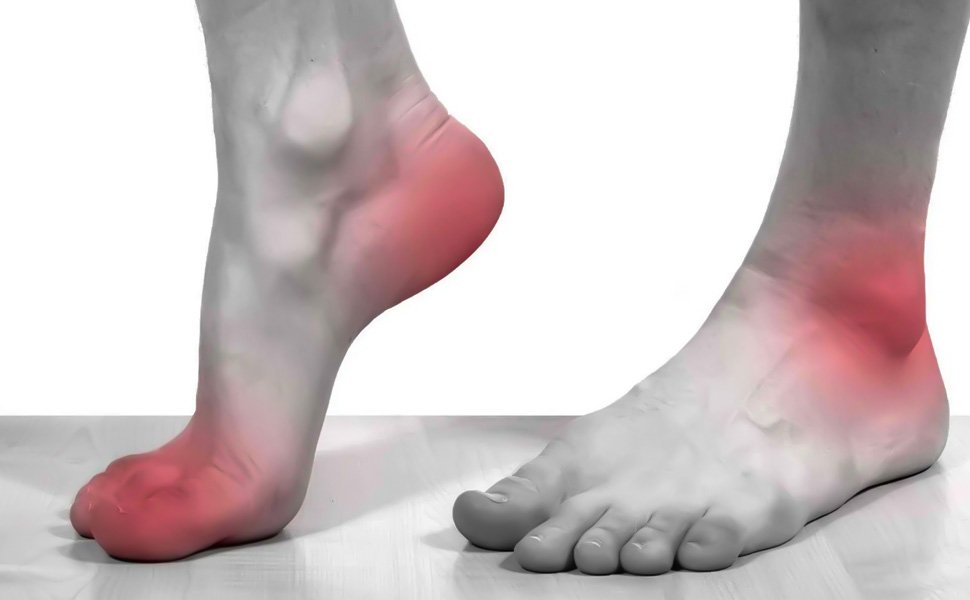
Neuropathic pain is a type of pain that arises as a result of the nervous system being directly affected or damaged. Complaints such as burning, an electric feeling, stabbing, tingling, numbness, or even light touch causing pain may be seen. Not every nerve pain is due to the same cause, and treatment is planned according to the underlying problem.
Why does neuropathic pain occur?
Diabetes, peripheral neuropathies, nerve damage after shingles, nerve entrapments, radiculopathies, certain vitamin deficiencies, kidney diseases, certain medications and toxins can lead to neuropathic pain. More rarely, immune system diseases, hereditary neuropathies or central nervous system diseases can also be a cause.
Symptoms of neuropathic pain
- Burning, stabbing or electric-shock-like pain
- Numbness and tingling
- Excessive sensitivity to touch
- Pain that may increase at night
- Accompanying muscle weakness or balance problem
How is the diagnosis made?
The assessment begins with a detailed history and neurological examination. The distribution of the pain, sensory changes, reflexes and muscle strength are assessed. If peripheral nerve or muscle involvement is suspected, EMG and nerve conduction studies can be helpful. Depending on the patient’s findings, blood tests, imaging or other investigations may be needed.
Treatment of neuropathic pain
In treatment, the underlying cause is addressed first if possible. Glucose control in diabetes, correction of the deficiency in a vitamin deficiency, or assessment of nerve compression are examples of this. For pain control, different medication groups aimed at neuropathic pain, in some cases topical treatments, and physical therapy and rehabilitation approaches can be used.
The choice of treatment is made on an individual basis, taking into account the patient’s age, accompanying diseases, the medications they use, the type of pain and possible side effects. The same medication or method is not appropriate in every patient.
Are neuropathic pain and polyneuropathy the same thing?
No. Polyneuropathy describes the involvement of more than one peripheral nerve; neuropathic pain, on the other hand, is a type of pain due to nervous system damage. Not every polyneuropathy is necessarily painful, and neuropathic pain can also be seen in conditions other than polyneuropathy.
Detailed information about polyneuropathy | Information about neuralgias
This content has been prepared for general informational purposes; it does not replace personal diagnosis or treatment advice.

