
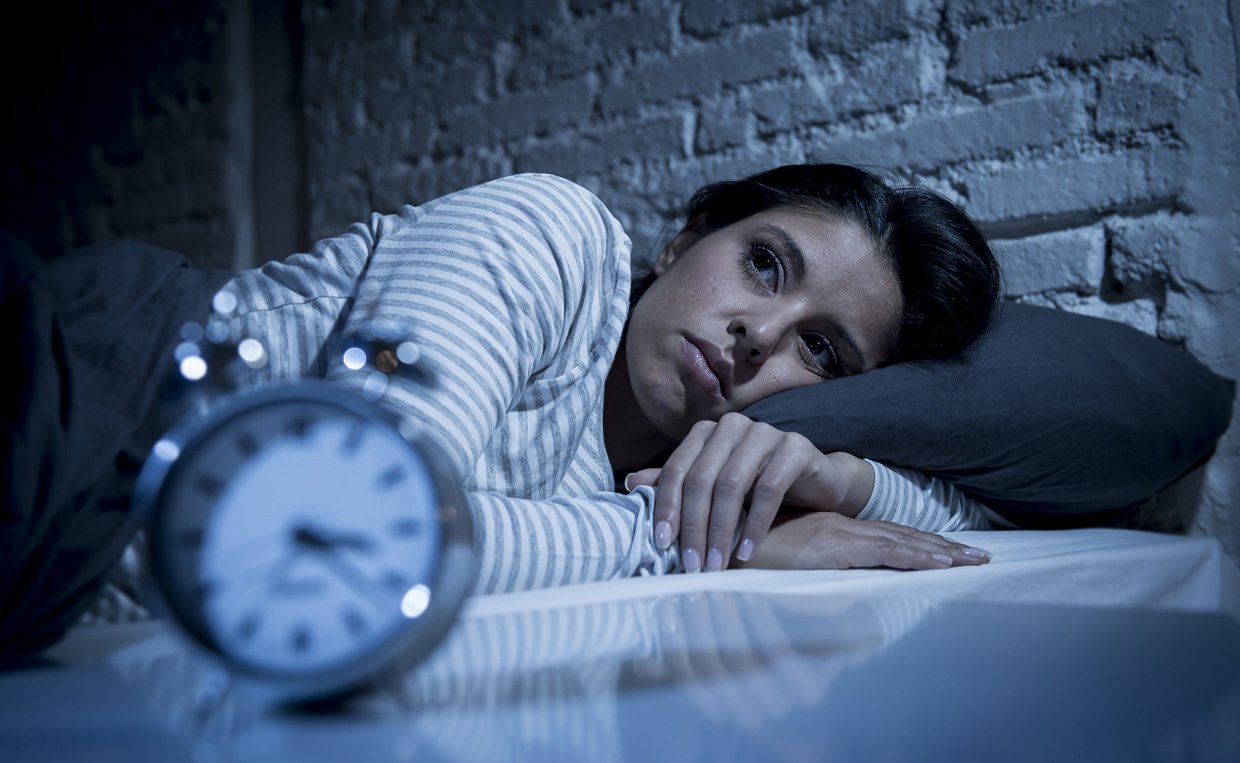
Sleep disorders are a broad group covering different problems related to falling asleep, maintaining sleep, breathing and movements during the night, or daytime wakefulness. Not every sleep problem is due to the same cause; neurological, psychiatric, respiratory, metabolic or lifestyle-related factors can play a role.
The most common sleep problems
- Insomnia
- Excessive daytime sleepiness
- Obstructive sleep apnea
- Restless legs syndrome
- Parasomnias
- Narcolepsy and other central disorders of excessive sleepiness
- Sleep-wake rhythm disorders
What is insomnia?
Insomnia is difficulty falling asleep, frequent waking, early waking or non-restorative sleep, together with impairment in daytime functions, despite there being adequate opportunity for sleep. Conditions such as stress, irregular sleep habits, certain medications, depression and anxiety can affect insomnia.
One of the fundamental approaches in the treatment of chronic insomnia is sleep adjustments based on cognitive behavioral therapy. When medication use is needed, it is planned by the physician, taking into account the patient’s age, accompanying diseases and other medications.
Why does excessive daytime sleepiness occur?
Insufficient sleep, sleep apnea, certain medications, shift work, depression, narcolepsy and different neurological or systemic diseases can lead to excessive daytime sleepiness. Involuntary dozing, particularly while driving or during work, is important in terms of safety and requires assessment.
What is sleep apnea?
In obstructive sleep apnea, breathing events occur due to the repeated narrowing or closing of the upper airway during sleep. Loud snoring, witnessed pauses in breathing, frequent waking during the night, morning headache and daytime sleepiness may be seen.
The diagnosis and treatment of sleep apnea often requires a joint assessment by fields such as sleep medicine, pulmonology and, when necessary, otolaryngology. Treatment may include weight management, positional measures, positive airway pressure (PAP) devices, oral appliances or, in selected patients, surgical approaches.
Restless legs syndrome
In restless legs syndrome, uncomfortable sensations in the legs and an urge to move them may occur, particularly in the evening and during rest. Iron deficiency, certain medications and different medical conditions can affect the complaints.
Detailed information about restless legs syndrome
How are sleep disorders assessed?
In the assessment, sleep hours, snoring, witnessed apnea, daytime sleepiness, medications used, caffeine-alcohol consumption and accompanying diseases are asked about. In some patients, a sleep diary, actigraphy, an overnight sleep test (polysomnography) or daytime sleepiness tests may be needed.
This content has been prepared for general informational purposes; it does not replace personal diagnosis or treatment advice.

