
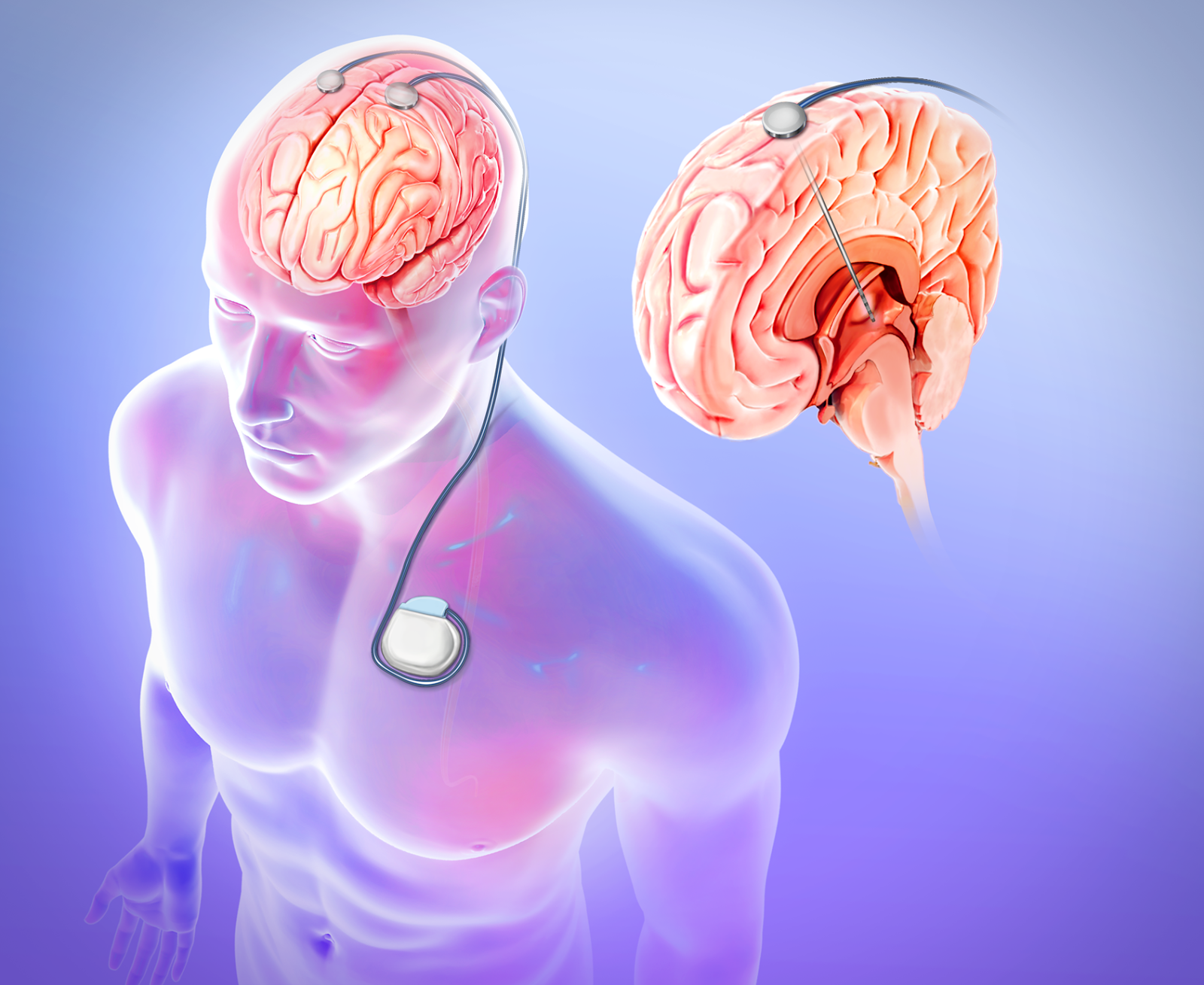
Deep brain stimulation (DBS) is a surgical treatment method, known colloquially as a “brain pacemaker,” used in selected patients to help control certain motor symptoms caused by Parkinson’s disease. A brain pacemaker does not eliminate Parkinson’s disease and does not stop the progression of the disease; the aim is to improve the control of problems such as tremor, slowness of movement, muscle stiffness and medication-related motor fluctuations in appropriate patients.
Who can a brain pacemaker be considered for in Parkinson’s disease?
A brain pacemaker is not suitable for every Parkinson’s patient. DBS evaluation may come onto the agenda particularly in some patients who initially benefit from drug therapy but over time experience marked on-off periods during the day, whose involuntary movements (dyskinesia) increase, or who have tremor that cannot be adequately controlled with medication.
During patient selection, neurological examination, response to levodopa, cognitive status, psychiatric status, age, accompanying diseases and surgical risk are evaluated together. The decision is generally made through a joint evaluation by the neurology and neurosurgery teams.
How is brain pacemaker surgery performed?
In DBS surgery, thin electrodes are placed in specific regions of the brain. The electrodes are connected to a stimulator device that is usually placed in the chest area. The surgical technique and anesthesia approach may vary according to the center, the target brain region and the patient’s clinical condition.
For this reason, it is not correct to give a single standard figure for the duration of the operation, the length of hospital stay, or the surgical steps to be applied in every patient.
What is brain pacemaker programming?
After the surgery, the stimulation settings need to be adjusted on an individual basis so that the device can work effectively and in a balanced way. This procedure is called brain pacemaker programming or DBS programming.
During programming, the intensity of the stimulation, the contact points and other technical parameters are adjusted gradually, taking into account the patient’s symptoms and possible side effects. Multiple check-ups and adjustments may be needed in the first months. During the same period, the dose and timing of Parkinson’s medications may also be reassessed.
The role of the neurologist in brain pacemaker programming
Follow-up after DBS does not consist solely of the technical adjustment of the device. The neurologist evaluates tremor, slowness of movement, muscle stiffness, walking, balance, speech and medication-related side effects together, and plans the balance between the device settings and drug therapy.
The programming process varies from patient to patient. While appropriate settings can be found in a short time in some patients, in other patients different parameters may need to be tried over time.
For which complaints may a brain pacemaker be more effective?
The effect of DBS varies from person to person. More meaningful benefit is generally expected in terms of motor symptoms that respond to levodopa, medication-related motor fluctuations and certain types of tremor. Symptoms such as loss of balance, speech disorder, swallowing problems or cognitive problems, on the other hand, may not improve to the same extent in every patient.
Why is follow-up after a brain pacemaker important?
Regular neurological follow-up after surgery is important for reviewing the device settings, adjusting Parkinson’s medications, and checking battery life and device function. The frequency of follow-up is determined according to the patient’s clinical condition, the type of device and the settings used.
MRI and other medical procedures
Some current DBS systems may be MRI-compatible under certain conditions. However, compatibility depends on the brand and model of the device, the electrode system and the imaging protocol. For this reason, before an MRI or different medical procedures, the characteristics of the patient’s DBS system must be checked and the presence of the device must be reported to the relevant physicians.
How are Parkinson’s disease and a brain pacemaker evaluated together?
A brain pacemaker is not a method that replaces Parkinson’s treatment on its own. Drug therapy, exercise, rehabilitation and regular neurological follow-up remain the fundamental parts of treatment in most patients. DBS is considered in addition to these treatments in appropriate patients.
Detailed information about Parkinson’s disease, its symptoms and treatment options
Frequently asked questions about brain pacemakers and DBS programming
Does a brain pacemaker cure Parkinson’s disease completely?
No. DBS does not eliminate Parkinson’s disease and does not stop the underlying neurodegenerative process. It is used in appropriate patients to improve the control of certain motor symptoms and motor fluctuations.
Who can a brain pacemaker be applied to in Parkinson’s disease?
Some patients who respond to drug therapy but experience marked on-off periods, dyskinesias, or tremor that cannot be adequately controlled with medication may be candidates for evaluation. Cognitive status, psychiatric status, accompanying diseases and surgical suitability are also part of the decision.
What is brain pacemaker programming or adjustment?
Programming is the individual adjustment of the device’s stimulation parameters, taking into account the patient’s symptoms and possible side effects. The technical settings of the device and the adjustment of Parkinson’s medications are most often evaluated together.
How often are brain pacemaker settings done?
There is no single standard follow-up interval. Multiple adjustments may be needed, especially in the early periods; subsequent check-ups are planned according to the patient’s clinical condition, the characteristics of the device and the response to treatment.
Are Parkinson’s medications completely stopped after a brain pacemaker?
Not in every patient. After DBS, the drug dose and timing may be readjusted, but whether the medications can be stopped completely varies from person to person. Medication changes should be made with neurological evaluation.
Does a neurologist perform brain pacemaker surgery?
The placement of the DBS electrodes and the stimulator device is a surgical procedure performed by neurosurgery. The neurologist, on the other hand, takes part in the processes of appropriate patient selection, clinical evaluation, postoperative neurological follow-up, medication adjustment and device programming.
Specialist Dr. Şule Koçyiğit and Parkinson’s/movement disorders fields of work | İzmir practice and contact information
This content has been prepared for general informational purposes and does not replace personal diagnosis or treatment advice.

