
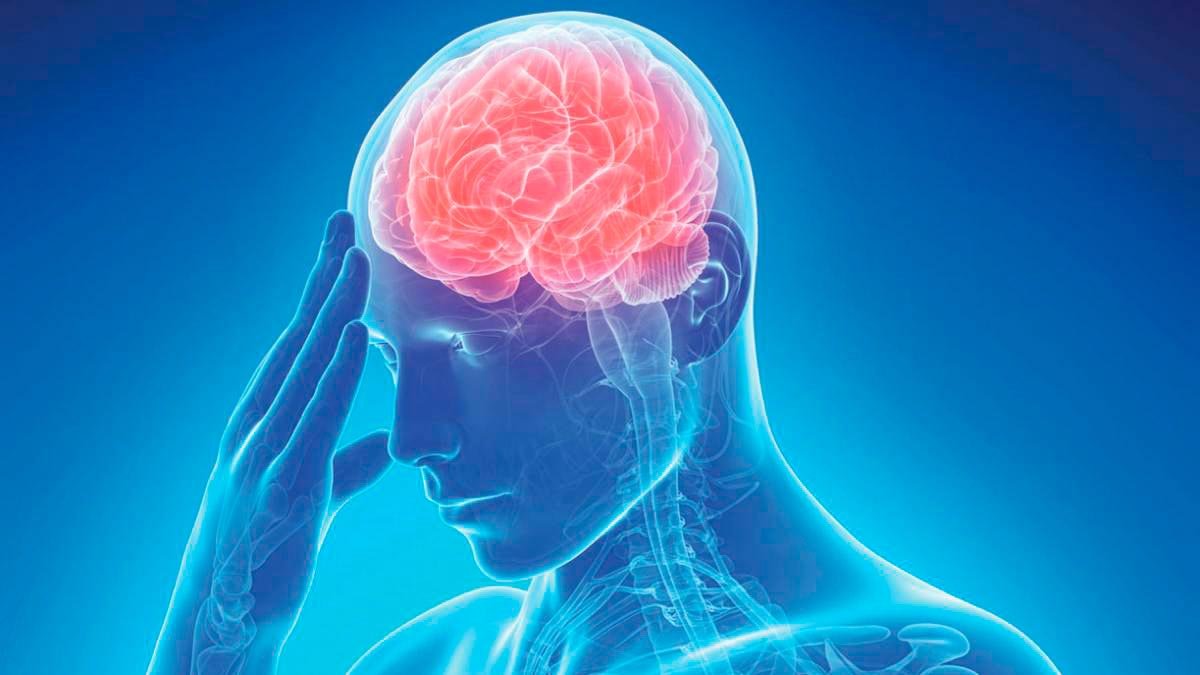
What Is Stroke (Cerebrovascular Disease)?
Stroke is an emergency neurological condition that arises as a result of the blood flow to a region of the brain being suddenly cut off or the bleeding of a cerebral blood vessel. Ischemic stroke develops due to a vessel occlusion, while hemorrhagic stroke develops due to bleeding within or around the brain.
What Are the Symptoms of Stroke?
The symptoms mostly begin suddenly. When one of the following occurs, emergency health service assessment is needed:
- Drooping or numbness on one side of the face
- Sudden weakness or loss of sensation in an arm or leg
- Impairment in speech, difficulty understanding what is said
- Sudden loss of vision or double vision
- Sudden loss of balance, difficulty walking or severe dizziness
- Sudden and very severe headache of unexplained cause
In stroke, time is critically important. The time the symptoms began should be recorded as accurately as possible, and the person should seek emergency health services without delay.
How Is Stroke Diagnosed?
In the hospital, methods such as brain computed tomography or magnetic resonance imaging are used together with neurological assessment. For the assessment of the vessels, CT angiography, MR angiography, Doppler ultrasound or other investigations may be needed. The heart rhythm and the possible causes of the stroke are also investigated.
Stroke Treatment
Treatment varies according to the type of stroke, the time of onset of the symptoms, the affected vessel and the patient’s general condition. In appropriate patients, emergency treatments such as clot-dissolving drug therapy or mechanical thrombectomy can be considered in strokes due to vessel occlusion. In strokes due to bleeding, a different approach is needed.
After the acute period, control of risk factors such as blood pressure, diabetes, cholesterol, cardiac rhythm disorders and smoking; blood thinners or other preventive treatments in appropriate patients; and rehabilitation are important in terms of reducing the risk of a new stroke and improving loss of function.
Neurological Follow-up After Stroke
Recovery after a stroke varies from person to person. Physical therapy, speech-swallowing therapy, support for daily life skills and neurological follow-up are planned according to the patient’s needs.
Practice and contact information
This page is intended for general information. In sudden stroke symptoms, an appointment should not be waited for; emergency health services should be sought.

