
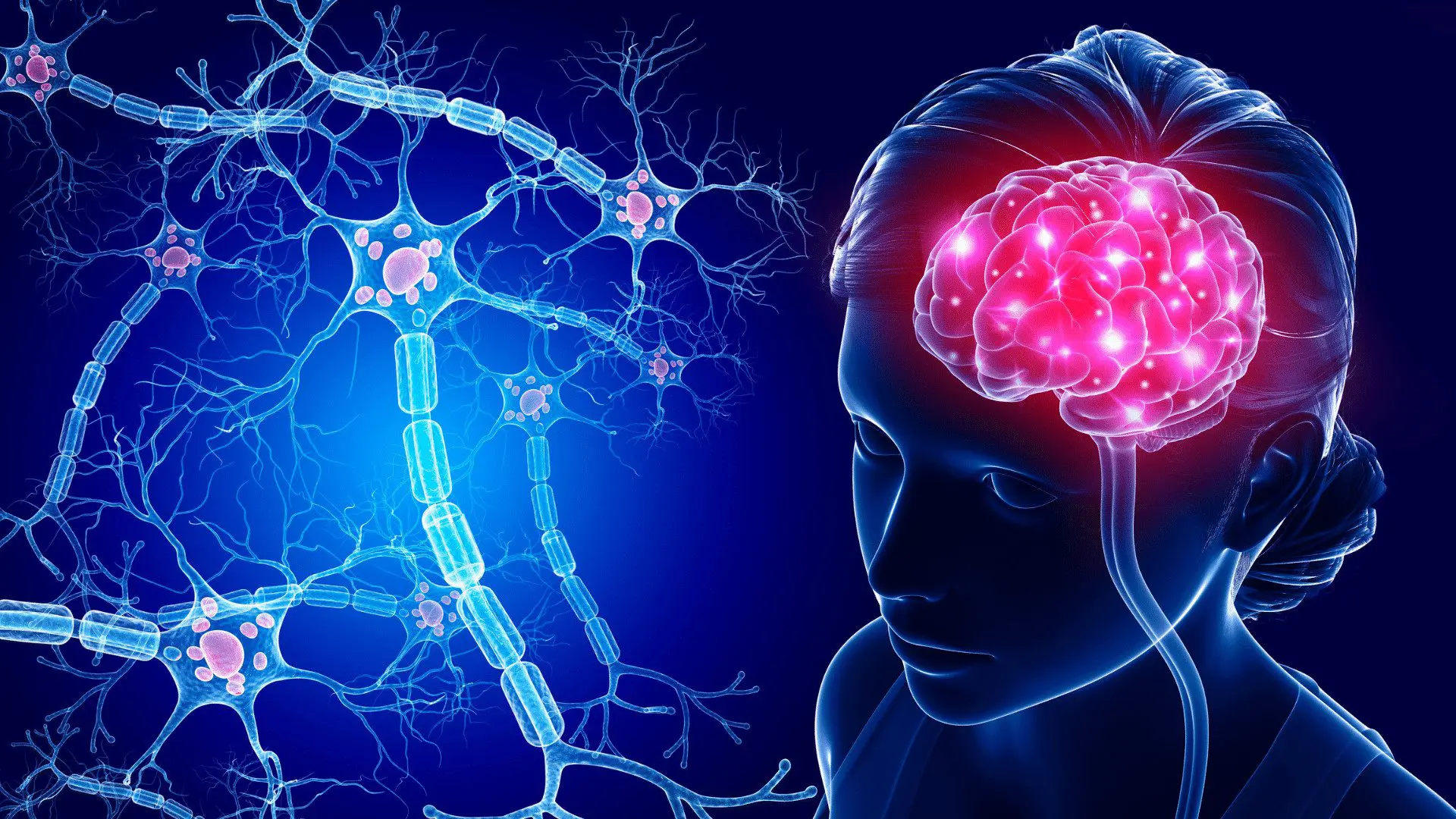
What Is Multiple Sclerosis (MS)?
Multiple sclerosis (MS) is a chronic, immune-system-mediated neurological disease in the central nervous system that can affect the brain, spinal cord and optic nerves. The involvement of the myelin structure surrounding the nerve fibers and, in some cases, of the nerve fibers themselves can lead to different neurological symptoms.
What Are the Symptoms of MS?
The symptoms vary according to the region of the nervous system affected. Complaints that may be commonly seen include the following:
- Decreased vision or pain with eye movements
- Numbness, tingling or weakness in the arms or legs
- Balance and gait disturbance
- Double vision
- Stiffness or spasm in the muscles
- Bladder complaints
- Marked fatigue
- Cognitive or mood changes in some people
None of these symptoms alone means a diagnosis of MS.
How Is MS Diagnosed?
MS is not diagnosed based on a single MRI image alone. Along with the disease history and neurological examination, brain and, when necessary, spinal cord MRI findings are assessed. In some patients, cerebrospinal fluid examination, evoked potentials and blood tests can also be used for the purpose of differential diagnosis.
The main aim in diagnosis is to demonstrate the dissemination of the involvement in the central nervous system in terms of time and space, and to rule out other diseases that could cause similar findings.
MS Attacks
The occurrence of a new neurological symptom or the marked worsening of a previous symptom does not always mean a genuine MS attack. Infection, fever, excessive heat or other conditions can temporarily increase old symptoms. In suspicion of an attack, neurological assessment is important.
MS Treatment
MS treatment is individualized according to the type and activity of the disease, MRI findings, the person’s age, pregnancy plans and accompanying health conditions. Disease-modifying treatments aim to reduce the risk of new attacks and new MRI lesions in appropriate patients; however, no treatment completely eliminates the disease in all patients or prevents all future attacks as a guarantee.
In the treatment of acute attacks, corticosteroids can be used in appropriate patients. Symptom-oriented treatments for spasticity, pain, fatigue, bladder problems and other symptoms; physical therapy, regular exercise and rehabilitation can also be part of the follow-up plan.
MS Follow-up
Regular neurological examination and, when necessary, follow-up MRI investigations help to assess disease activity and treatment response. The choice of treatment and changes to it should be made with an individual risk-benefit assessment.
Practice and contact information
This content has been prepared for general informational purposes; it does not replace personal diagnosis or treatment advice.

