Contents
What Are Dementia and Alzheimer’s Disease?
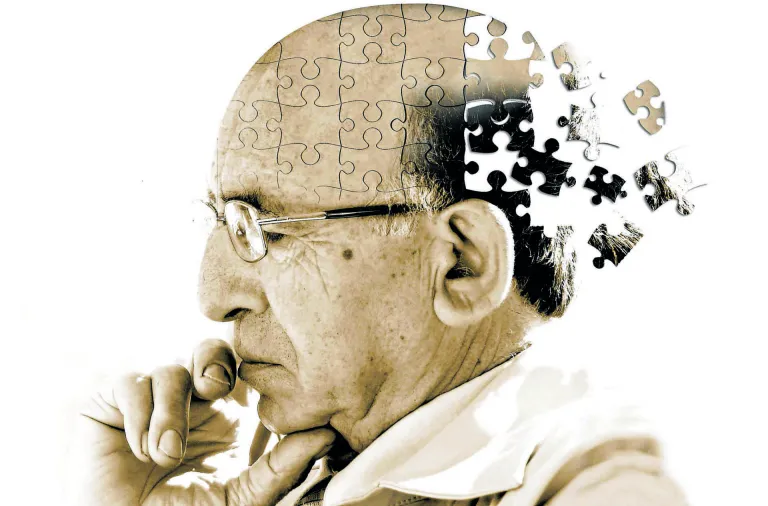
Dementia is a general clinical picture that describes persistent impairment in memory, attention, language, planning or other cognitive functions that affects daily life. Alzheimer’s disease is one of the most common causes of dementia; however, vascular diseases, dementia with Lewy bodies, frontotemporal dementia and other neurological conditions can also lead to similar complaints.
Symptoms of Alzheimer’s Disease
Alzheimer’s disease most often begins insidiously and progresses over time. In the early period, difficulty learning new information and remembering the recent past may be at the forefront. As the disease progresses, difficulty with word finding, orientation, planning, managing financial matters and daily life activities can be seen.
An increase in some forgetfulness with age does not by itself mean dementia. Cognitive changes that affect daily life or are progressively increasing should be assessed.
How Is Dementia Diagnosed?
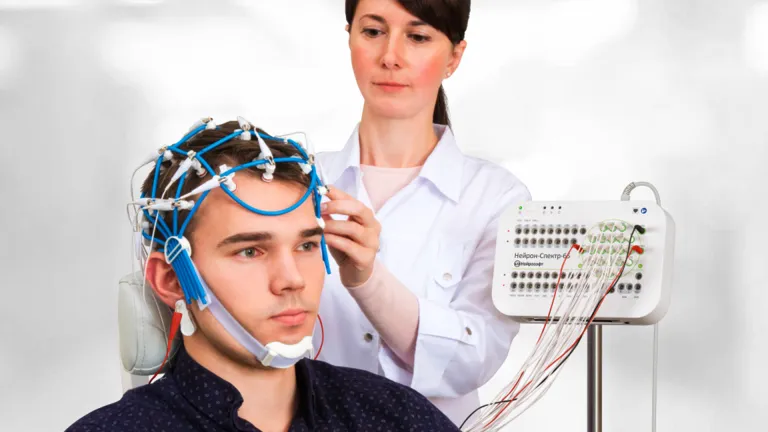
The assessment begins with a detailed history from the patient and, if possible, their relatives, a neurological examination and cognitive tests. Conditions that could affect cognitive complaints, such as thyroid disorder, vitamin B12 deficiency, depression, medication side effects and sleep disorders, can be investigated.
Brain MRI or CT imaging can be used for the purpose of assessing structural causes and supporting the diagnosis. In selected patients, more advanced biomarker investigations or cerebrospinal fluid tests may be needed.
Treatment in Alzheimer’s Disease
There is no treatment that completely eliminates Alzheimer’s disease. Some medications used can help with the management of cognitive and daily life symptoms. In appropriate early-stage patients, after the confirmation of certain biological features and a detailed assessment of the risks, new treatment options that target the disease process can come onto the agenda in some countries and centers; these treatments are not suitable for every patient and require close follow-up.
Management of sleep, exercise, hearing loss, blood pressure, diabetes and other vascular risk factors; maintenance of social and mental activity; and support for the patient’s relatives are also important parts of care.
Follow-up in a Dementia Patient
In follow-up, in addition to cognitive changes, daily life safety, medication use, driving, nutrition, behavioral symptoms and the needs of caregivers are also assessed. The treatment and care plan is adjusted according to the patient’s disease stage and living conditions.
Practice and contact information
Frequently asked questions
Does every case of forgetfulness mean dementia?
No. An increase in some forgetfulness with age does not by itself mean dementia. Cognitive changes that affect daily life or are progressively increasing should be assessed.
Which tests are used to diagnose dementia?
The assessment begins with a detailed history, neurological examination and cognitive tests. Thyroid disorders, vitamin B12 deficiency, depression and medication side effects may be investigated; brain MRI or CT can support the diagnosis.
Can Alzheimer’s disease be cured?
There is no treatment that completely eliminates Alzheimer’s disease. Some medications can help manage cognitive and daily-life symptoms; in suitable early-stage patients, newer treatments may be considered after a detailed assessment.
Consultation and appointments
You can book an appointment at our clinic in Bayraklı, Izmir, for an assessment of your complaints.