
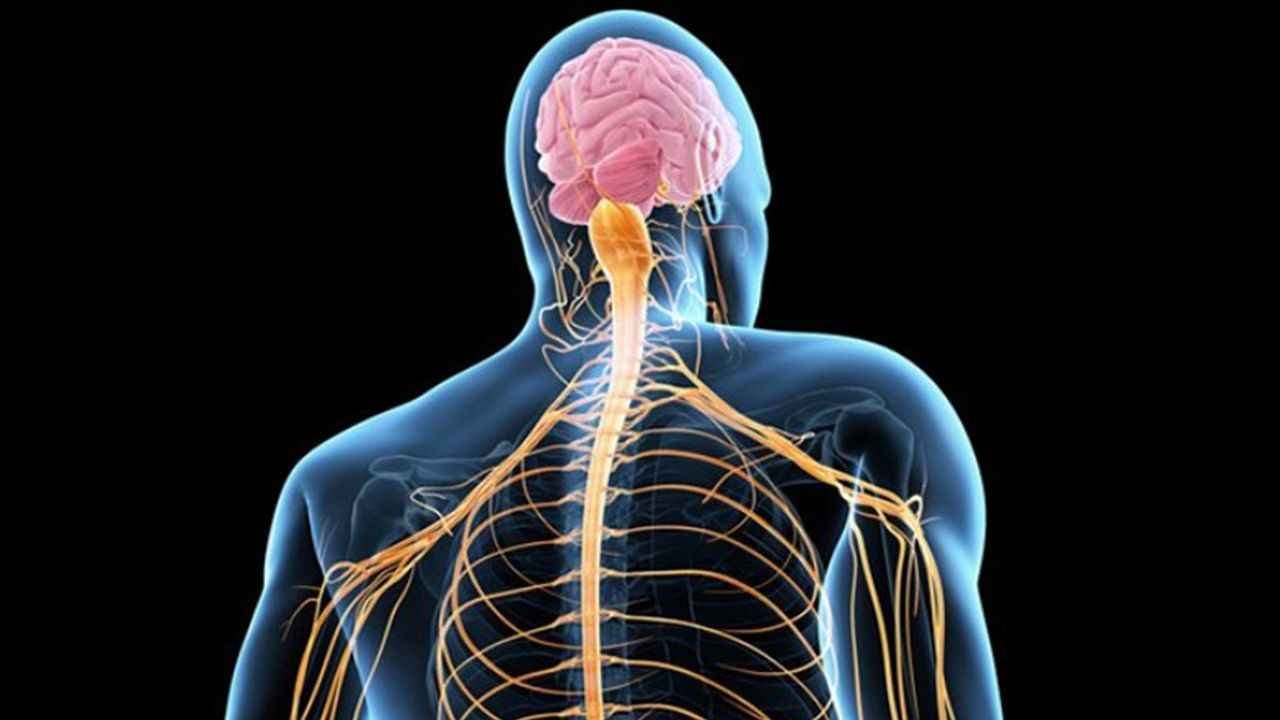
What Is ALS (Amyotrophic Lateral Sclerosis)?
Amyotrophic lateral sclerosis (ALS) is a progressive neurological disease that runs its course with the involvement over time of the motor neurons that control voluntary muscle movements in the brain and spinal cord. Muscle weakness can start from different regions, and the course of the disease can vary from person to person.
What Are the Symptoms of ALS?
- Progressively increasing weakness in one hand, arm or leg
- Thinning of the muscles (atrophy) and twitching (fasciculation)
- Muscle cramps and stiffness
- Difficulty speaking or swallowing
- Difficulty walking and falls
- Involvement of the respiratory muscles in the advanced stages of the disease
In ALS, sensation is mostly preserved. In some patients, behavioral or cognitive changes may also be seen.
How Is ALS Diagnosed?
ALS is not diagnosed with a single test. A detailed neurological examination, electromyography (EMG) and nerve conduction studies have an important place in the assessment. Cervical spinal cord diseases, neuropathies, muscle diseases, vitamin or metabolic disorders and other motor neuron diseases that could cause similar symptoms are investigated with blood tests and imaging methods when necessary.
ALS Treatment
At present, there is no treatment that completely eliminates ALS. In appropriate patients, treatments that can influence the course of the disease to a certain extent can be considered; the choice of treatment is made according to the patient’s clinical characteristics and the suitability conditions of the relevant treatment.
In ALS care, not only drug therapy but also multidisciplinary follow-up is important. Monitoring of respiratory functions, respiratory support when necessary, nutrition and swallowing assessment, physical therapy, communication support and control of symptoms aim to support quality of life and safety.
Follow-up in ALS
Since the rate of progression of the disease varies from person to person, the follow-up plan is individualized. Respiratory, nutritional, mobility, speech and daily life needs are reassessed at regular intervals. When experimental treatments or clinical trials are involved, the benefits and risks should be addressed within the framework of scientific evidence.
Practice and contact information
This content has been prepared for general informational purposes; it does not replace personal diagnosis or treatment advice.

