
What Is Polyneuropathy?
Polyneuropathy is a clinical picture that arises with the involvement of more than one peripheral nerve. It can most often cause complaints such as numbness, tingling, burning, pain or weakness in the hands and feet. The distribution and severity of the symptoms vary according to the underlying cause.
Polyneuropathy Symptoms
- Numbness, tingling or burning in the feet and hands
- Sensory loss or excessive sensitivity to touch
- Muscle weakness and difficulty walking
- Balance problems
- In some cases, changes in sweating, blood pressure, digestive or bladder functions
Why Does Polyneuropathy Occur?
Diabetes is one of the common causes of polyneuropathy. In addition, vitamin deficiencies, kidney diseases, certain medications and toxins, immune system diseases, infections, hereditary neuropathies and different metabolic diseases can also affect the peripheral nerves. In some patients, a definite cause may not be determined despite a comprehensive investigation.
How Is Polyneuropathy Diagnosed?
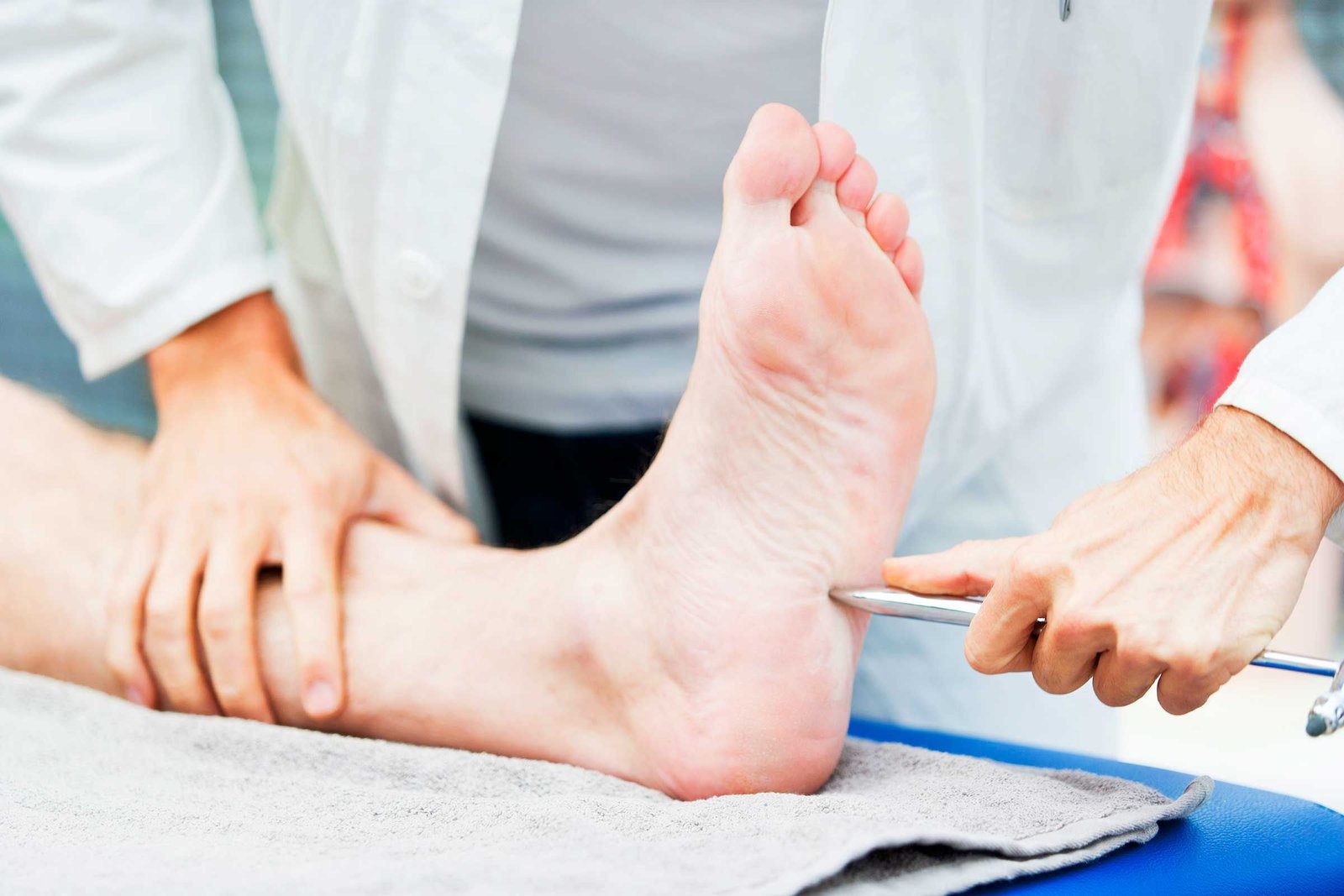
The assessment begins with a detailed disease history and neurological examination. Nerve conduction studies and electromyography (EMG) can be helpful in assessing the distribution and type of nerve damage. Depending on the patient’s findings, blood tests, imaging, genetic investigations or more advanced tests may be needed.
Polyneuropathy Treatment
Treatment is planned according to the cause of the polyneuropathy. Control of an underlying disease such as diabetes, correction of deficiencies, or reassessment of a medication that may lead to neuropathy is important in some patients. Drug treatments for neuropathic pain, and physical therapy and rehabilitation options for balance and muscle strength, can be considered.
Not every polyneuropathy progresses in the same way, and the likelihood of complete recovery depends on the cause and the degree and duration of the nerve damage.
Practice and contact information
This content has been prepared for general informational purposes; it does not replace personal diagnosis or treatment advice.

