
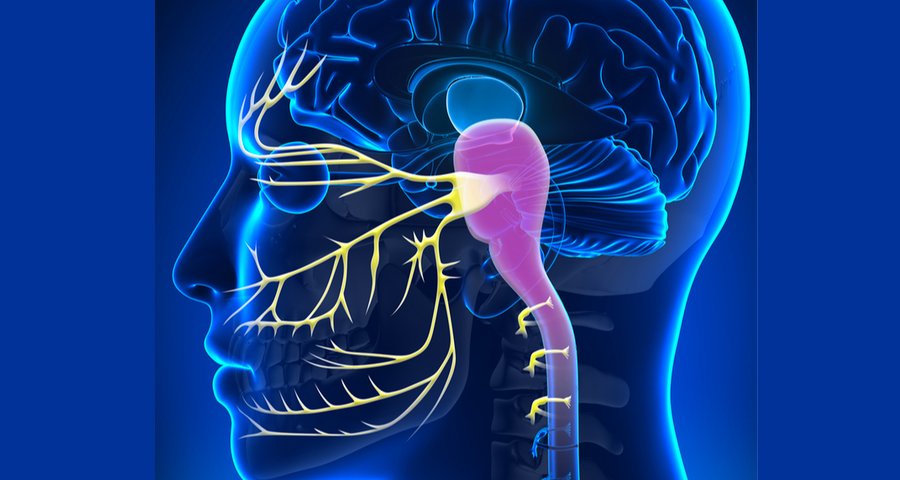
Neuralgia is a term used to describe pain arising in the distribution area of a nerve, most often of sudden onset, stabbing or electric-shock-like. The location, duration and triggers of the pain and any accompanying neurological findings are important in understanding the underlying cause.
What is trigeminal neuralgia?
Trigeminal neuralgia usually runs its course with very severe, recurrent attacks of pain lasting seconds, on one side of the face. Speaking, chewing, brushing teeth, washing the face or light contact with the face can trigger an attack in some people.
In classic trigeminal neuralgia, there may be contact with or compression by a blood vessel in the part of the trigeminal nerve close to the brainstem. Apart from this, multiple sclerosis, structural brain lesions or different causes can also lead to similar pain. For this reason, imaging becomes more important, particularly in patients whose pain starts at a young age, is bilateral, is accompanied by sensory loss, or in whom there is an examination finding.
How is trigeminal neuralgia assessed?
The diagnosis is mostly made through the typical history of the pain and the neurological examination. When necessary, brain MRI and imaging methods that assess the vessel-nerve relationship can be used. It is also important to make a differential diagnosis with pain originating from the teeth, jaw, ear and sinuses.
Treatment of trigeminal neuralgia
The first step in treatment for most patients is medications aimed at nerve-related pain. The choice and dose of medication are determined by the physician, taking into account the patient’s age, other illnesses, the medications they use and possible side effects. In appropriate patients in whom adequate control cannot be achieved despite drug therapy or who cannot tolerate the medications, interventional or surgical options can be assessed together with the relevant specialties.
Occipital neuralgia
In occipital neuralgia, the pain is mostly in the form of stabbing or electric-like attacks that start at the nape and spread towards the back and upper part of the head. It can be confused with musculoskeletal problems of the neck and other types of headache. Treatment is planned according to the underlying cause; medications, physical therapy approaches or, in selected patients, nerve blocks can be considered.
Other rarer neuralgias
Glossopharyngeal neuralgia, nervus intermedius neuralgia and laryngeal nerve neuralgias are rarer. The pain being in the ear, throat, base of the tongue or neck region and being triggered by swallowing or speaking can be a guide in the differential diagnosis. Detailed assessment is needed particularly if the pain is accompanied by fainting, rhythm changes, a new neurological finding or progressive complaints.
When is assessment needed?
If there is new-onset severe facial pain, sensory loss, double vision, weakness, hearing change, fever, weight loss or continuously progressing pain, physician assessment is important.
Information about headache and alarm symptoms | Information about neuropathic pain
This content has been prepared for general informational purposes; it does not replace personal diagnosis or treatment advice.

