
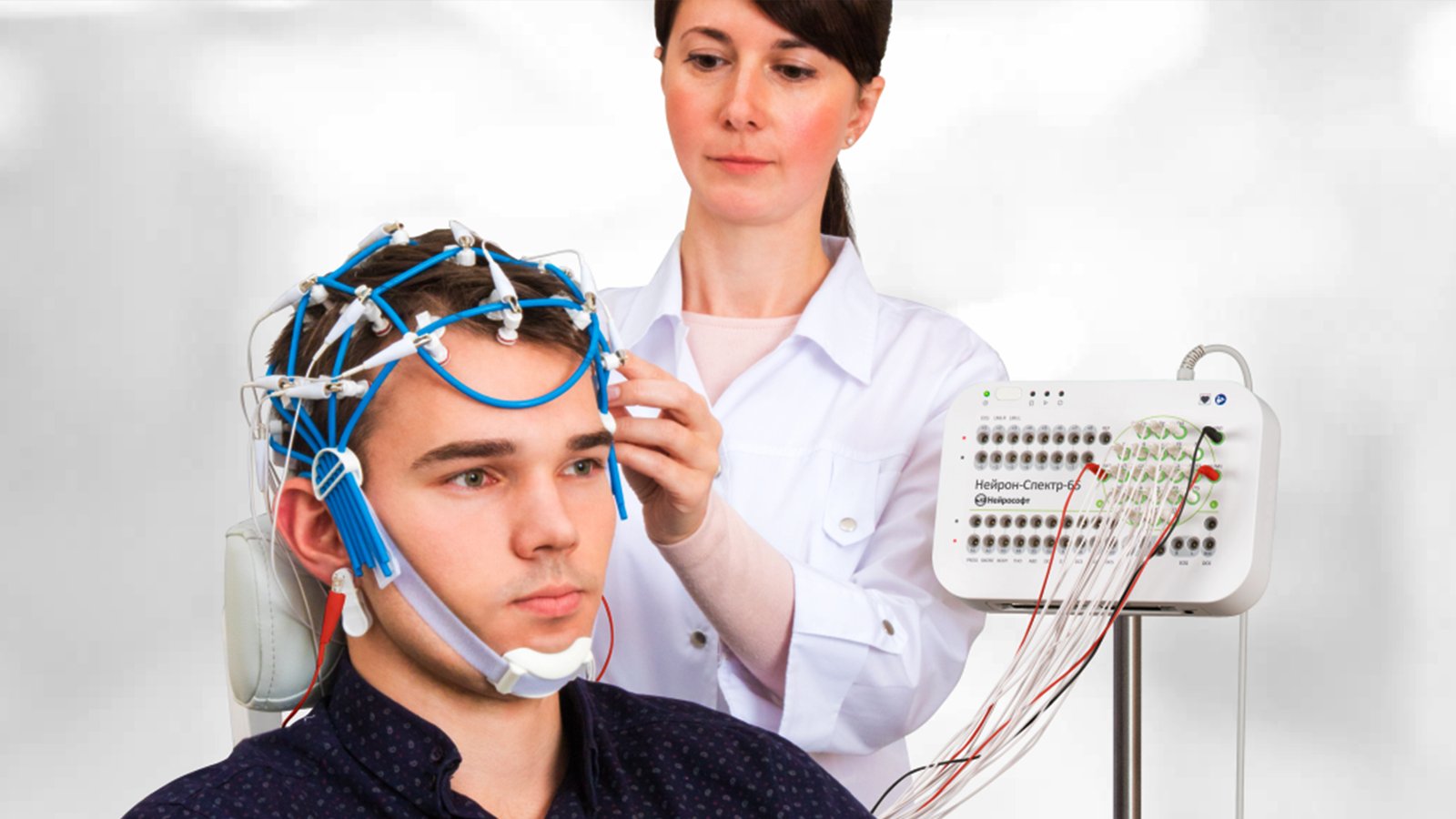
What Is an EEG (Electroencephalography)?
Electroencephalography (EEG) is an investigation that records the brain’s electrical activity via electrodes placed on the scalp. The EEG is an important supporting test particularly in the assessment of epilepsy and seizures.
In Which Situations Is an EEG Used?
An EEG is most often used when a seizure or epilepsy is suspected. In addition, an EEG may be requested in changes of consciousness, certain sleep-related events and selected neurological conditions, depending on the clinical question. An EEG is not a test that diagnoses a brain tumor, stroke or dementia on its own; in these diseases it can only be helpful when there are specific clinical questions.
Detailed information about epilepsy
How Is an EEG Recorded?
During the recording, small electrodes are placed on the scalp with the help of a conductive substance. The electrodes only record the electrical activity in the brain; they do not deliver electricity to the patient.
During the recording, activation methods such as opening and closing the eyes, deep and rapid breathing, or looking at a flashing light may be applied. In some patients, a sleep recording or an EEG after sleep deprivation may be requested. Which type of recording is needed is determined according to the clinical situation.
Does a Normal EEG Rule Out Epilepsy?
No. A routine EEG recording of a person with epilepsy may be normal. Similarly, certain changes seen on an EEG do not by themselves mean a diagnosis of epilepsy. The EEG result is interpreted together with the seizure history, neurological examination and, when necessary, imaging findings.
Preparation Before an EEG
- Having clean hair and not using conditioner, gel, spray or oil makes it easier to place the electrodes.
- Regularly used medications should not be stopped on one’s own unless the physician says otherwise.
- If a sleep EEG or sleep-deprivation EEG is planned, the specific sleep instructions given should be followed.
- If there are specific preparation instructions given by the center regarding caffeine and food, these should be followed.
Is an EEG a Painful Procedure?
A routine EEG is not an invasive procedure. No needle is inserted into the scalp and the recording electrodes do not deliver electricity. There may be mild discomfort during the placement and removal of the electrodes.
Practice and contact information
This content has been prepared for general informational purposes; it does not replace personal diagnosis or treatment advice.

